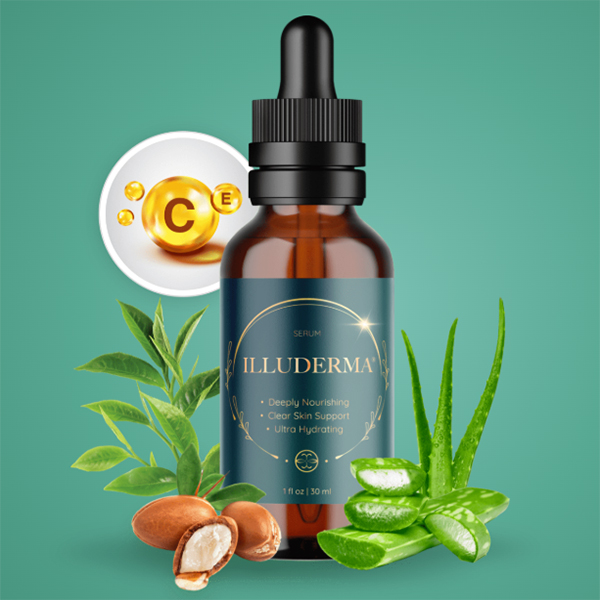
What IlluDerma appears to be
IlluDerma is presented publicly as a skincare serum aimed at readers concerned with dark spots, dullness, uneven-looking tone, dryness, and visible signs of skin ageing. The public copy does not read like a minimalist cosmetic page. Instead, it uses a dramatic explanatory frame built around environmental stress and screen-related “blue light” exposure, positioning the serum as something that helps defend and restore the look of skin rather than just moisturise it.
That framing matters because it tells you what kind of review page is useful. Readers usually are not just asking “what is IlluDerma?” They are also trying to work out whether the product is a simple cosmetic serum, a more ambitious anti-aging formula with a long ingredient story, or mainly a sales-page narrative wrapped around familiar skincare concerns. Based on the public material, the answer is closest to the second and third options.
It is also worth correcting a common confusion created by generic affiliate pages: IlluDerma is being presented as a topical serum, not as a capsule-based supplement. That alone changes how readers should think about ingredients, expectations, use, and the kind of caution that makes sense before purchase.
What can be verified directly from public-facing material
Visible and concrete
- The product is publicly described as a serum for skin concerns such as dark spots, hydration, tone, and visible ageing.
- The sales material prominently features an ingredient section rather than relying only on vague beauty copy.
- Public pages around the product reference a 60-day refund statement and a checkout support path.
- Privacy Policy and Terms and Conditions links are visible in the public sales flow.
- The product is marketed through a strong direct-response page with discount language, package offers, and bonuses.
Why that matters in a review
- It gives readers something concrete to check beyond before-and-after style persuasion.
- It shows that IlluDerma is being sold with a structured order flow, not only through detached review pages.
- It allows you to separate product identity, formula claims, and policy claims instead of treating them as one thing.
- It makes it easier to compare what the sales page says with what the label, policy pages, and support route actually confirm.
This is also the point where a careful review should slow down. Public visibility is useful, but it is not the same as proof. A page can make ingredients and refund language highly visible while still using more confidence than the underlying evidence justifies. That does not automatically make the product unreliable; it simply means the most useful review approach is to stay close to what is actually shown.
What seems clear
- IlluDerma is being presented as a cosmetic serum aimed at skin appearance concerns rather than as a supplement or a drug-style treatment.
- The sales material is built around a defined skin story: dark spots, visible ageing, hydration, and environmental stress.
- The product page makes a serious effort to present an ingredient narrative instead of hiding behind generic wellness language.
- Policy and support paths are not completely absent; the sales flow does point users toward support and legal pages.
- The public material is clearly written for direct response, so readers should expect persuasive framing, bonus offers, and urgency language as part of the presentation.
What still needs checking before treating the claims too confidently
The biggest gap is not product identity but claim intensity. Public-facing IlluDerma material makes strong statements around dark spots, wrinkles, radiance, skin protection, and blue-light-related skin damage. Those claims may sound coherent inside the sales story, but readers should still verify how much of that language is descriptive marketing and how much is tied to the actual label, directions, or carefully explained product mechanism.
Another point that deserves caution is how promotional pages handle social proof. The public sales flow relies heavily on testimonial-style storytelling and broad positive framing. That is common in this product space, but it does mean readers looking for IlluDerma complaints, IlluDerma legit questions, or IlluDerma side effects will usually need a calmer page that simply says what is visible and what is not. Based on the public material, there is far more emphasis on success narratives than on a detailed limitations discussion.
Side-effects language is another area where readers should stay practical. Public pages emphasise benefits far more than adverse reactions, and this review is not going to invent a warning page where there is no clear public evidence to support one. Still, because IlluDerma is a topical serum used on skin, it is sensible to read the label, review ingredient compatibility, and consider patch-testing if you already know your skin reacts easily.
Finally, pricing and package language can shift over time. The public sales material does show multi-bottle offers and stronger value framing around larger packages, but this review intentionally keeps that brief. If you want the current purchase path laid out more directly, the fuller guide is the right next step.
Public policy and support notes
A useful review is not only about claims; it also checks whether the surrounding purchase infrastructure looks readable. In the public IlluDerma flow, there appears to be a visible refund statement, policy links, and an order-support path tied to checkout support. That is better than having no support trail at all, but it is still something readers should confirm in the current checkout environment before placing an order.
In practical terms, the questions worth asking are simple: are the policy links visible from the page you are using, does the order support route match the checkout provider you expect, and is the refund language clear enough that you understand where to go if the order needs follow-up? Those are small checks, but they are often more useful than generic verdict pages that simply say a product is “legit” or “not legit” without showing what they actually reviewed.
Bottom line before you move further
IlluDerma looks like a real, public-facing serum offer with a defined anti-aging and dark-spot narrative, a visible ingredient story, and a more complete sales flow than many low-effort review pages ever show. That is the helpful part. The caution point is that the public messaging is still highly promotional, so readers should avoid treating persuasive copy as the same thing as verification.
If your next step is understanding the formula, visible claims, and public support details in a more decision-oriented layout, the fuller guide is the best bridge from this review. If you already want to inspect the official sales page directly, the green button below takes you there without turning this page into a sales-heavy pitch.
IlluDerma review FAQ
What is IlluDerma supposed to be?
Public-facing material presents IlluDerma as a topical serum for dark spots, hydration, skin tone, and visible anti-aging concerns, not as a capsule supplement.
Does this review say IlluDerma works or does not work?
No. This page is deliberately narrower than that. It focuses on what the public material shows clearly, what can be checked directly, and what still deserves caution before purchase.
Are IlluDerma ingredients visible publicly?
Yes. The product is marketed with a visible ingredient story that includes recognisable skincare ingredients and antioxidant-focused framing, which is one reason IlluDerma ingredients is such a common search pattern.
What should readers verify before moving to the full guide?
Check that the product type, ingredient list, refund language, support path, and current checkout details still match what you expect. That is usually more useful than relying on generic hype or copied review verdicts.
These links stay within the same review route pattern and category.
← Back to Anti-Aging