Why readers look for a NeuroPrime review
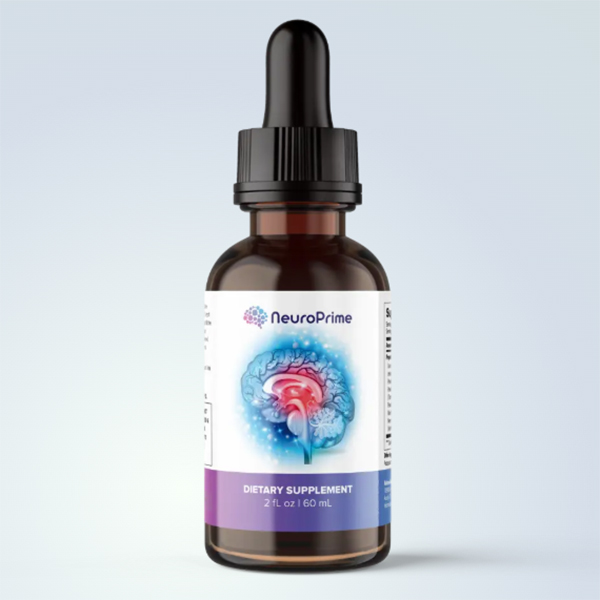
NeuroPrime is marketed within the brain and memory space, and the public page leans heavily on familiar nootropic themes: focus, recall, mental clarity, blood flow, antioxidant support, and longer-term cognitive resilience. That kind of positioning is common in this category, but it also creates a gap between the public story and the smaller set of details that can actually be checked on the page itself.
That gap matters. A useful review is not just a softer sales page. It should help readers distinguish between visible facts and stronger conclusions. With NeuroPrime, the product presentation is detailed enough to give context, yet still promotional enough that many people will want a more grounded reading before they move on to a full buying guide.
From a review perspective, the important question is not whether the page sounds confident. It usually does. The more useful question is whether the visible material gives a reader enough clarity about the formula, the usage, the policy framework, and the level of transparency around the product. That is where the strongest value of this review sits.
What can be verified directly on the public page
Several elements are visible without needing to infer too much. The product is shown as a liquid supplement rather than a standard capsule-based formula, and the FAQ states that the suggested use is one drop per day, preferably in the morning. The same public material also says the drop can be taken directly or mixed into a drink, which gives a practical usage note that is more specific than many generic supplement pages.
- Named ingredients are listed. The visible formula section names tamarind, Lion’s Mane mushroom, moringa, pine bark extract, spirulina, and ginkgo biloba.
- A return window is stated. The public page prominently references a 365-day money-back guarantee.
- Basic policy infrastructure appears to exist. Footer links for privacy, disclaimer, terms, and order support are visible.
- Checkout language is clear about billing structure. The FAQ states that the purchase is described as a one-time payment rather than an ongoing charge.
- The marketing position is obvious. NeuroPrime is publicly framed as a natural brain-support product rather than a stimulant-heavy performance formula.
Those are meaningful review points because they are visible details, not guesses. They do not validate every claim on the page, but they do show that the public-facing material is not entirely vague. A reader can identify the formula names, the intended use pattern, and the existence of policy or support routes before deciding whether to go any further.
Ingredient visibility is one of the stronger parts of the public presentation. The page does not hide behind vague language alone; it actually names a compact formula. That matters because many NeuroPrime reviews searches are really ingredient-driven searches in disguise. People are trying to work out whether the product is built around familiar brain-support botanicals, novelty branding, or a mixture of both.
In this case, the visible ingredient set is fairly recognizable within the category. What is less clear from the public page is the exact balance, standardization, or broader formulation context beyond the marketing descriptions attached to each ingredient. So the ingredient block is useful, but it still works best as a starting point rather than a final answer.
Tamarind
The page presents tamarind as a cognitive-support ingredient tied to antioxidant and nutrient-based support. It is part of the public story, though the page’s wording is more promotional than technical.
Lion’s Mane Mushroom
This is one of the more recognizable names on the page. It is used in the public materials to support memory, focus, and general brain-health positioning.
Moringa
Moringa is framed publicly as a nutrient-dense plant ingredient that supports broader brain wellness and helps reinforce the formula’s natural-product identity.
Pine Bark Extract
The official material links pine bark extract to antioxidant support and circulation-oriented language, which fits the broader cognitive-performance framing used across the page.
Spirulina
Spirulina appears as part of the formula’s nutrient and antioxidant positioning. Its inclusion helps the public page lean into a plant-based and wellness-led tone.
Ginkgo Biloba
Ginkgo biloba is one of the best-known ingredients named on the page and is used to reinforce the memory-and-circulation message that runs through the public sales copy.
For review purposes, the main takeaway is simple: the formula is visible enough to evaluate at a basic level, but the page still leans on broad outcome language. Readers who care about label precision, dosage context, or a tighter evidence discussion may still want to inspect the label and supporting product materials more closely before attaching too much weight to the stronger claims.
What seems clear
- NeuroPrime is publicly presented as a liquid brain-support supplement. The one-drop daily usage note gives the format away quickly.
- The product story is coherent. The page consistently frames the supplement around memory, clarity, and focus rather than drifting into unrelated health angles.
- The ingredient names are visible. That gives readers more substance than a page built on branding alone.
- The public page is built to reduce purchase hesitation. The visible guarantee language, payment note, and support links all play that role.
What still needs checking
- The claims are stronger than the proof shown on-page. The public material uses confident wording, but readers still need to separate marketing emphasis from independently reviewed product-level evidence.
- Side-effect discussion is limited. The visible material leans more toward reassurance than toward a detailed explanation of tolerability questions.
- Policy language should still be read directly. A visible guarantee headline is useful, but it is still worth reviewing the live policy and order-support pathways for the exact terms that apply to a purchase.
- Personal fit is not answered by the sales page. Public copy can describe who the product is marketed to, but that is different from confirming whether it is the right match for an individual reader.
Public support, policy, and practical notes
One thing the public material does reasonably well is provide a visible support framework. In the footer area, there are links for privacy, disclaimer, terms, and order support. That does not automatically make the product stronger, but it does give readers a more practical review angle than pure sales copy alone. A page that exposes policy routes is easier to inspect than one that keeps everything behind a single checkout push.
The public FAQ also states that checkout is handled as a one-time payment. That point matters because many readers searching for NeuroPrime reviews are not only asking whether the formula sounds interesting; they are also trying to avoid confusion around billing structure, refund expectations, and post-purchase support. Even when those questions are partly transactional, they are still part of review intent because they affect how trustworthy or complete the product presentation feels.
There is also a useful caution here. The public material is much more detailed about reassurance than about limitations. It is clear on the product’s preferred story, but less strong as a place to answer every reasonable question a careful buyer may have. That is not unusual in this market, and it is one reason a review page should remain distinct from the sales page instead of copying its tone.
NeuroPrime review FAQ
What is NeuroPrime supposed to be?
Public-facing materials present NeuroPrime as a brain and memory supplement in liquid-drop form, marketed around focus, clarity, and cognitive support.
Does NeuroPrime show its ingredients publicly?
Yes. The visible page names six ingredients: tamarind, Lion’s Mane mushroom, moringa, pine bark extract, spirulina, and ginkgo biloba.
Does the public page explain how NeuroPrime is used?
Yes. The FAQ states that the suggested use is one drop per day, preferably in the morning, either directly or mixed into a drink.
What is still worth checking in a NeuroPrime review?
The most important follow-up points are the full label context, the exact live policy terms, and how much of the page’s stronger performance language is descriptive marketing rather than something independently established on-page.
Before moving on
The short version is that NeuroPrime is not impossible to review from the public-facing material, because the ingredient list, the liquid format, the usage note, and the support links are all visible. That is more than some pages provide. At the same time, the page still speaks in a strongly promotional voice, so it helps to treat the more ambitious language as part of the product story rather than as a conclusion in itself.
If your aim is to understand the product at a review level, the public page gives enough information to identify what NeuroPrime is trying to be. If your next step is comparing the broader purchase context, bundle layout, and related buying details without relying on the raw sales copy alone, the fuller guide is the better bridge from here.
These links stay in the same category and keep the same review-style route structure.
← Back to Brain & Memory