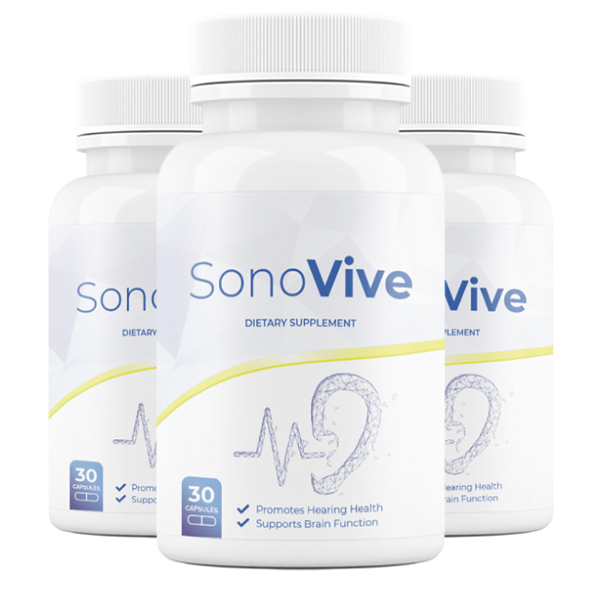
Why readers search for a SonoVive review
Review intent around SonoVive usually sits somewhere between curiosity and caution. The searcher often wants to know what the product is supposed to be, which ingredients are actually visible, whether the public pages look internally consistent, and whether support or refund information is easy to find without digging through a long pitch.
That matters because many pages ranking for this kind of query are not especially independent. A lot of them recycle sales claims, add star-style language, or turn ingredient notes into sweeping promises. They can still be useful for spotting the repeated talking points around the product, but they are not always useful for separating what is public and verifiable from what is simply persuasive copy.
SonoVive is one of those products where the editorial value comes from slowing the page down a little: identify what keeps showing up, identify what changes from page to page, and identify which details should be confirmed again on the live purchase path before treating them as settled.
How SonoVive is presented publicly
The public-facing SonoVive pages currently position the product as a natural hearing-support supplement with a secondary emphasis on brain or cognitive support. In plain terms, the marketing tries to connect ear health with circulation, nerve signaling, and how the brain processes sound. That framing appears again and again across the current product pages and the wider review-style material around them.
The recurring language also leans on quality markers: made in the USA, produced in an FDA-registered facility, GMP-related manufacturing language, and a natural or plant-based positioning. Those are presentation points, not independent proof of product-level effectiveness. Still, they are part of the public sales narrative, so they belong in a serious review of what readers will actually encounter.
Another public pattern is how heavily the product copy blends hearing language with mental-clarity language. That does not automatically make the positioning wrong, but it does mean the review should read the page carefully. If a product is being framed simultaneously around hearing clarity, circulation, focus, auditory support, and neural communication, then the question becomes whether the label, the FAQ, and the policy pages stay specific enough to support that broad story.
What can be verified directly from the public material
- A recurring ingredient core is visible. The names that appear most consistently across public SonoVive pages are Ginkgo Biloba, Bacopa Monnieri, Huperzine-A, St. John’s Wort, and Vinpocetine.
- A 60-day refund message appears repeatedly. That is the most stable policy detail visible in the public sales copy around SonoVive.
- Support and policy pages do exist. Public materials currently reference FAQ, disclaimer, privacy, terms, refund, and contact-related pages rather than leaving the product with no visible policy layer at all.
- Some versions of the public FAQ add ordering details. These can include language about one-time payment, no autoship, and shipping estimates such as standard delivery in roughly 5–7 days with a faster option mentioned on some pages.
- The product is consistently framed as a supplement, not a device. The public pitch is about ongoing supplement use, not hearing aids or a clinical procedure.
The reason this section matters is simple: it captures the details that show up more than once. When a point is visible only in one isolated review page but not in the core product material, it should carry less weight.
SonoVive ingredients and formula notes
If you are reading this page because of searches like SonoVive ingredients or SonoVive formula, the main takeaway is that the public label story has a recognisable center but not a perfectly fixed presentation. The ingredient names most readers will keep seeing are Ginkgo Biloba, Bacopa Monnieri, Huperzine-A, St. John’s Wort, and Vinpocetine. Those names are part of the visible identity of the product across multiple public pages.
At the same time, some currently visible versions of the sales copy mention extra components beyond that core group, including names such as L-Glutamine, N-Acetyl L-Carnitine, Phosphatidylserine, or Vitamin B12. That does not prove anything negative on its own, but it does make the live label worth checking rather than assuming every public page is using the same version of the ingredient presentation.
For review purposes, the important distinction is this: a public ingredient list can tell you how the product is being framed, but it does not automatically validate every performance claim attached to it. Public pages often connect these ingredients to circulation, neural support, focus, or auditory wellness. That is the sales narrative. A more careful reading is to treat the ingredient list as visible product information while keeping the broader outcome claims on the marketing side of the line until the page gives readers more than repetition.
What seems clear, and what still needs checking
What seems clear
SonoVive is being sold as a hearing-support supplement with a secondary cognitive-support angle rather than as a narrowly defined single-purpose formula.
The public product material repeatedly points to a small cluster of named ingredients, a 60-day refund window, and a conventional supplement ordering flow.
The overall positioning is coherent in tone: hearing clarity, circulation support, nerve support, and better sound processing sit at the center of the product story.
What still needs checking
The exact current label should be verified on the live product page, because some public versions of the formula description appear broader than others.
Support details and policy references should be checked on the exact page you use, because public-facing copies can differ in how they present contact information and support routing.
Shipping timing, rush-delivery options, and any current pricing or bundle detail should be treated as live-check items, not fixed facts to rely on from an older review page.
That split is useful for SonoVive legit, SonoVive complaints, or SonoVive side effects style searches as well. The public material gives readers a decent amount of marketing copy and some visible policy structure, but it gives much less in the way of independent complaint analysis or carefully documented side-effect discussion. That means the careful move is not to invent drama, and not to over-certify the product either. It is to separate what is visible from what is still thin.
Refund, support, and public-page consistency
For many readers, the most practical part of a review is not the promise language. It is the support layer. On that front, SonoVive’s public-facing pages do provide more than just a headline and a checkout button. The current material around the product includes refund language, FAQ content, and contact-oriented references. That is better than a page that offers no support trail at all.
The most consistently repeated policy note is the 60-day refund window. That appears often enough to count as the clearest public after-purchase point. Some public pages also say the order is a one-time payment rather than an autoship subscription, and some include a delivery estimate. Those details are useful, but they should still be rechecked on the live path you are actually using because order-flow details are the kind of information that can change faster than general product copy.
A careful review also has to acknowledge when public consistency is not perfect. In the wider currently indexed SonoVive material, support and policy details are not always presented in exactly the same way. That does not automatically invalidate the product, but it is one reason to prefer the current product page and the current policy pages over older review posts or duplicated promotional content.
Practical reading notes before moving further
If you are close to continuing past the review stage, the best next step is not to focus on the loudest claim on the page. It is to verify the parts that affect a real decision: does the current ingredient list match what you expected, is the support route easy to identify, are the refund terms still plainly visible, and does the exact page you are using feel current rather than recycled?
This matters especially with hearing supplements, because the surrounding content ecosystem is often crowded with templated writeups. Many pages talk about results, complaints, or side effects in a way that sounds more definite than the visible public material actually is. A stronger review does not pretend certainty where the current product pages are mostly offering marketing plus policy notes.
So the fairest summary is this: SonoVive’s public materials are specific enough to identify the product category, the main sales angle, the recurring ingredient names, and the broad refund position. They are less strong when it comes to giving readers a genuinely independent picture. That is why this review works best as a filter page before the more detailed buying guide.
SonoVive review FAQ
What is SonoVive presented as?
SonoVive is publicly presented as a hearing-support dietary supplement that also uses brain-support or cognitive-support language in its sales copy.
Which SonoVive ingredients show up most often?
The names that recur most often across the currently visible product pages are Ginkgo Biloba, Bacopa Monnieri, Huperzine-A, St. John’s Wort, and Vinpocetine.
Does the public material make refunds easy to spot?
Yes. The most consistent policy point visible in the public material is a 60-day refund window, although the live terms should still be checked on the exact product page you use.
Does this review conclude that SonoVive is proven or ineffective?
No. This page is meant to sort public information into what is visible, what is repeated, and what still deserves checking. It is not a verdict page built on hype or absolute claims.
Next step if you want the fuller purchase path
This review is intentionally narrower than the full guide. It is built to help with research queries such as SonoVive review, SonoVive ingredients, SonoVive what to know, and related informational searches. If you now want the more practical layer — where to continue, how the buying path is structured, and the broader order-focused context — the dedicated guide is the right bridge.
Related hearing reviews
More review-style pages from the same category.