What this review covers
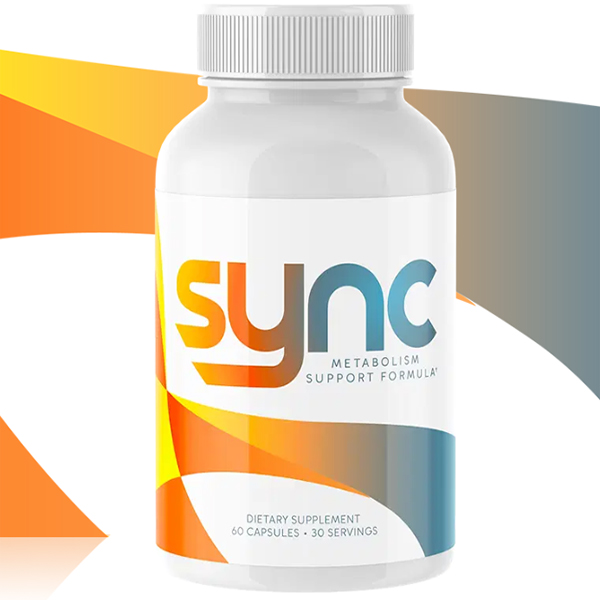
This page is intentionally review-led rather than purchase-led. It focuses on what Sync appears to be, what the public pages clearly show, how the formula is described, and where readers may want more verification before treating the broader marketing message as settled fact.
Why readers search for a Sync review
People usually search a Sync review because they want more than a short sales summary. They want to know whether the formula is visible, whether the public explanation is coherent, whether refund and support information can be found easily, and whether there are any obvious gaps between the marketing message and the details that are actually shown.
That is where many ranking pages fall short. A lot of pages around Sync rely on emotional copy, dramatic “works fast” language, or a very confident scam-or-legit framing that adds noise without adding clarity. A better review angle is simpler: separate the public message from the verifiable details, then note which questions remain open.
For this product, the core reader intent is usually a mix of what is Sync, what ingredients are listed, what does the public page actually say, and what should I verify before taking the next step. That is the lens used throughout this page.
How Sync is presented publicly
The official-style presentation of Sync describes it as a dietary supplement designed to work with circadian rhythm and clock gene activity. The central promise is not just generic fat burning. It is the idea that restoring a natural metabolic rhythm can support better energy use, appetite control, and overall weight management. That framing is distinctive, but it is still a marketing framing and should be read that way.
Public materials also present Sync as a once-daily capsule, preferably taken in the morning. That practical detail is clearer than many of the broader benefit statements, and it gives readers at least one concrete point of orientation. The public copy also repeats terms such as metabolism support, natural fat metabolism, appetite control, and alignment with the body’s internal clock.
What matters in a review context is not whether that language sounds appealing. It is whether the explanation stays concrete enough to help a reader make sense of the product. In Sync’s case, the public narrative is polished and consistent, but it also leans heavily on a science-flavored story rather than on calm product documentation.
Ingredients and formula notes
The ingredient list shown publicly is one of the more useful parts of the product presentation. The formula is commonly described as including Ocimum Sanctum, Camellia Sinensis, Chlorogenic Acid, L-Carnitine, Chromium Picolinate, and Resveratrol. For a reader searching Sync ingredients or Sync formula, that matters because it moves the page beyond vague wellness language and into identifiable components.
What that ingredient list does not do on its own is confirm product-level outcomes. The public materials use these ingredients to support the story around metabolism, energy, cravings, and circadian rhythm. That may help explain intended positioning, but it is different from demonstrating how the finished formula performs for every buyer in everyday use.
Presented publicly as Holy Basil and used in the product story to support balance, stress handling, and metabolic rhythm.
Shown as Green Tea Extract and framed as part of the metabolism and fat oxidation angle used throughout the public copy.
Included in the public formula description as part of the appetite, glucose, and metabolic support narrative.
Positioned as part of the energy and fat-transport explanation used in the promotional materials.
Used in the public messaging around cravings, blood sugar support, and appetite control.
Presented as a broader support ingredient within the formula story rather than as a stand-alone selling point.
What can be verified directly from the public-facing materials
Visible details
- Sync is presented as a dietary supplement for metabolism and weight-management support.
- The public materials repeatedly name a six-ingredient formula.
- The suggested use shown publicly is one capsule daily, preferably in the morning.
- A 60-day money-back guarantee is part of the public offer language.
- The product story strongly emphasizes circadian rhythm and “clock genes.”
Useful review takeaway
- The formula is not hidden behind purely vague wording, which helps.
- The public sales story is consistent, but it is still a sales story.
- Refund language is visible, though buyers should still confirm the exact terms used in their own purchase flow.
- Support is mentioned via call or email, but readers may still want clearer contact visibility before ordering.
- The most concrete parts of the public presentation are the ingredient list, suggested use, and refund mention.
What seems clear and what still needs checking
What seems relatively clear
Sync is being marketed as a metabolism and energy support supplement with a weight-management angle. A six-ingredient formula is presented publicly, the seller highlights morning use, and a refund window is part of the pitch. Those points are concrete and repeated across the available public-facing materials.
It is also clear that the product relies on a distinctive narrative. Instead of selling itself as a simple generic fat burner, Sync is framed around circadian rhythm, internal timing, and the idea that modern routines can interfere with healthy metabolic patterns.
What still deserves closer checking
The public presentation gives broad benefit language, but it is lighter on hard product context such as easy-to-scan documentation, deeper label transparency, and support information displayed outside the main promotional flow. Readers who care about legitimacy questions usually want those basics to be effortless to verify.
That does not automatically make the product unreliable. It simply means the public materials are stronger on marketing narrative than on calm documentation. If you are comparing Sync with other metabolism products, that difference is worth keeping in mind before treating the sales language as settled fact.
Notes on legit questions, complaints, and side effects searches
Searches around Sync legit, Sync complaints, and Sync side effects usually come from buyers trying to fill the same information gap. People want to know whether the public presentation feels coherent, whether the formula is actually named, whether policy details are visible, and whether cautionary information is explained with enough clarity.
Public-facing pages describe the formula as generally well tolerated and advise readers with medication use or existing conditions to check carefully before using the product. That is a cautious baseline, but it is not the same as a detailed public side-effect discussion. If ingredient sensitivity or interaction questions matter to you, the label deserves a closer read than the headline claims.
A good review does not need to label the product with an absolute yes-or-no verdict. It is more useful to note that Sync offers some concrete public information, but the public case for the product still benefits from a second pass through fuller policy wording and a more practical buying-guide view.
Policy and support notes before going further
A few practical points are visible without much ambiguity. The public pages describe a 60-day refund policy and indicate that returns may still be accepted even for empty bottles, with shipping costs excluded from the refund. That is more specific than many supplement pages, and it is one of the more useful public details attached to Sync.
The public pages also refer to contacting the seller by phone or email. That helps, but readers who value straightforward customer support may still want a cleaner path to contact and policy details than a highly promotional landing page usually provides. For a review-minded reader, the question is not only whether support exists in principle, but how clearly it is surfaced when you are evaluating the product calmly.
If you are deciding whether to move from research to purchase, the sensible approach is to compare the public product story with the fuller buying guide and then check the official purchase page directly for the exact wording that applies to your order path.
Ready for the next step after the review?
The more useful move from here is not jumping straight from headline claims to checkout. It is checking the fuller guide and then comparing it with the official product page side by side.
That route keeps the review informational while still giving you a direct way to confirm the seller’s current wording and purchase flow.
Sync review FAQ
What is Sync presented as?
Public-facing materials present Sync as a metabolism and weight-management supplement built around circadian rhythm and clock gene language, rather than as a simple generic energy capsule.
What ingredients are publicly listed for Sync?
The publicly named formula commonly includes Ocimum Sanctum, Camellia Sinensis, Chlorogenic Acid, L-Carnitine, Chromium Picolinate, and Resveratrol.
Does the public presentation mention a refund policy?
Yes. The public materials reference a 60-day money-back guarantee, though it is still worth confirming the exact policy wording on the purchase path you use.
What should readers check before moving on?
The most useful next step is reviewing the full buying guide and the official product page together, especially if you want a clearer view of label details, support wording, and purchase terms.
Related metabolism and energy reviews
These links stay within the same review route pattern and category focus.