Quick review answer
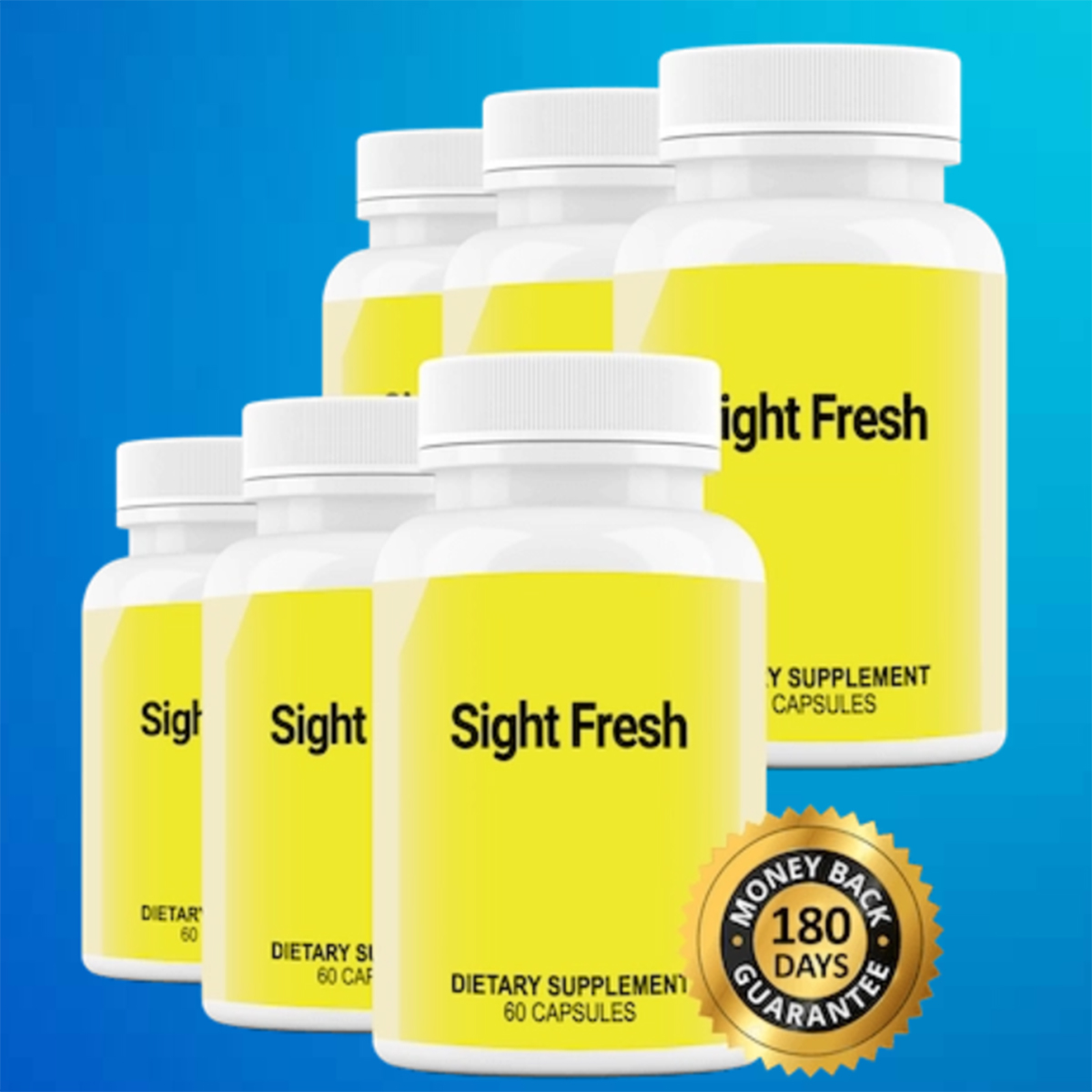
Sight Fresh appears to be a standard vision support supplement positioned around antioxidants, carotenoids, and trace minerals. The public-facing materials are strong on broad promise language and ingredient naming, but less strong on careful editing and easy verification of every detail a cautious buyer may want to see.
That does not automatically make the product unreliable, but it does mean readers should avoid treating a marketing headline as the same thing as a fully documented product profile. The official page clearly frames Sight Fresh as a daily-use capsule for adult eye support, and it names several familiar eye-health ingredients. At the same time, much of the copy is written in an aggressive supplement style, so a review page should slow things down and focus on what is actually visible.
One especially useful review note is that the public page is not perfectly consistent: parts of the FAQ switch from Sight Fresh to Sight Care. That kind of naming drift matters because it suggests the reader should verify the label, directions, and return wording carefully rather than relying on polished claims alone.
Why people search for a Sight Fresh review
Most people searching for a product review are not only asking what the supplement claims to do. They are trying to answer a tighter set of questions: what is this product supposed to be, what ingredients are named publicly, is the marketing internally consistent, are there practical use notes, and does the policy language sound straightforward enough to trust?
That search intent is especially common in the vision category because many pages competing for these queries lean too hard on hype. They often jump straight to verdict language, copy broad ingredient benefits into the product itself, or present a sales pitch as if it were independent analysis. A more useful Sight Fresh review should do the opposite: give readers a cleaner map of the public information before they decide whether the full guide or official page is worth their time.
What this page is trying to answer
- What Sight Fresh appears to be from the public-facing materials
- Which ingredients are named clearly on the page
- How the product is supposed to be used according to the visible copy
- Which details seem straightforward and which still deserve caution
- Why “legit,” “complaints,” and “side effects” searches usually point back to transparency questions
What the public materials make visible
The public page presents Sight Fresh as a natural vision support supplement made in the United States, manufactured in a GMP environment, and produced in an FDA-registered facility. It also frames the formula as non-GMO and gluten-free. Those are common supplement-market signals, but in review terms the more useful part is that the page does name a recognizable group of ingredients rather than hiding the formula behind a vague label.
The visible ingredient list in the marketing copy includes bilberry, eyebright, lutein, vitamin C, vitamin E, zinc, and copper. The public page also says the product is taken as two capsules a day after the first meal, and it presents the product as aimed at daily vision support rather than a short-term use pattern. That is enough to give a reader a workable starting point for product orientation.
What is less clear from the public page text alone is the exact amount of each ingredient and how precisely the formula is standardized. The copy talks confidently about a blend of fruit, flower, and bark extracts with vitamins and minerals, but a careful reader may still want the label-level specifics before making too much of the formula story.
Formula notes from a review perspective
What seems clear
- The formula is being positioned around eye-health staples rather than a mysterious proprietary concept.
- Bilberry, lutein, vitamin C, vitamin E, zinc, and copper are all named directly in the public-facing copy.
- The product is marketed for ongoing daily use, not a one-time or quick-fix scenario.
- The page gives at least some concrete routine guidance by telling readers to take two capsules daily after a meal.
What still needs checking
- The marketing copy is easy to read, but the exact dosing detail is not obvious enough in the public-facing text.
- Some claims read more like broad category marketing than tightly documented product-level evidence.
- The FAQ wording switches product names in places, which weakens confidence in the page’s editorial precision.
- Policy wording deserves a close read because the page promotes a money-back guarantee while also using narrower language around opened returns.
From a practical review standpoint, that mix is typical of many supplement pages: enough named ingredients to attract searchers, but not always enough cleanly presented detail to remove every question. In other words, the public materials are descriptive, but they are not the same thing as a careful evidence summary. That is why a review page is useful here.
What seems strongest, and where the copy gets weaker
The strongest part of the public presentation is straightforward ingredient visibility. It is easier to evaluate a product when the page actually names its formula anchors instead of only talking about “advanced eye support.” Sight Fresh at least gives readers recognizable talking points: bilberry for the berry-extract angle, lutein for carotenoid positioning, eyebright for botanical framing, and the vitamin-mineral layer that often appears in eye-support formulas.
The weaker part is that the copy occasionally moves from “this is how the product is marketed” into language that sounds more definitive than a cautious reader may want. Review pages should be careful not to convert an ingredient rationale into proof of finished-product performance. That matters for queries like Sight Fresh legit, Sight Fresh complaints, or Sight Fresh side effects, because people typing those searches are usually reacting to confidence gaps, not just looking for another marketing paraphrase.
A reasonable reading is that the public page is designed to reassure and convert, while a proper review needs to test clarity. On that test, Sight Fresh does reasonably well on naming ingredients and usage style, but less well on precision, copy consistency, and the clean explanation of how policy language should be read.
Practical notes before going further
For readers trying to decide whether this product deserves more time, three practical points matter more than the louder sales language. First, the named formula is visible enough to justify a closer look. Second, the page contains some useful buyer-facing details, including adult-use framing, daily serving guidance, and international shipping language. Third, the return and guarantee wording should be read carefully because the broader “risk-free” tone and the narrower opened-return wording do not communicate with equal precision.
That last point is often where review intent overlaps with complaint intent. People do not only search for complaints because they expect disaster. Often they simply want to know whether the public-facing terms are easy to understand before they commit to an order. With Sight Fresh, that is one of the more sensible questions to keep in mind.
- The public page frames the product as available only through the official website.
- It mentions shipping to the USA, UK, Australia, New Zealand, South Africa, and other select regions.
- It also promotes a money-back guarantee, while separate FAQ wording suggests unopened-return limits should be checked closely.
Sight Fresh review FAQ
What is Sight Fresh according to the public-facing page?
Sight Fresh is presented as a vision support supplement built around plant extracts, antioxidants, and mineral support for daily eye wellness. The public page frames it as a capsule-based routine rather than a one-off product.
Which ingredients are named publicly?
The marketing copy names bilberry, eyebright, lutein, vitamin C, vitamin E, zinc, and copper. That gives readers a real starting point, even though dose-level clarity is not the strongest part of the public presentation.
Why do people search Sight Fresh legit or complaints?
Usually because they want to know whether the product page feels transparent and internally consistent. In this case, the core formula story is visible, but buyers may still want to read the guarantee, return wording, and product naming carefully.
Does this review confirm side effects or outcomes?
No. A careful review should not invent side effects or certify results. The more practical approach is to separate public claims from what can be checked directly and to encourage label-level review when questions matter.
Bottom line
Sight Fresh does not look like a completely empty product page. It gives readers a visible ingredient set, a daily-use direction, manufacturing-language cues, and some practical buyer notes. That is enough to justify real interest. At the same time, the page is still marketing-heavy, and the most careful reading is not “everything here is proved,” but rather “some details are visible, some are asserted confidently, and some are better verified before acting.”
That is the right frame for a review query. If you want the fuller purchase-oriented context without jumping straight into checkout copy, use the internal guide next. If you already know what you want to verify on the brand side, the official page is the place to inspect the current order flow directly.
These links stay within the same review path and vision category.
← Back to Vision