What can be verified directly from the public-facing material
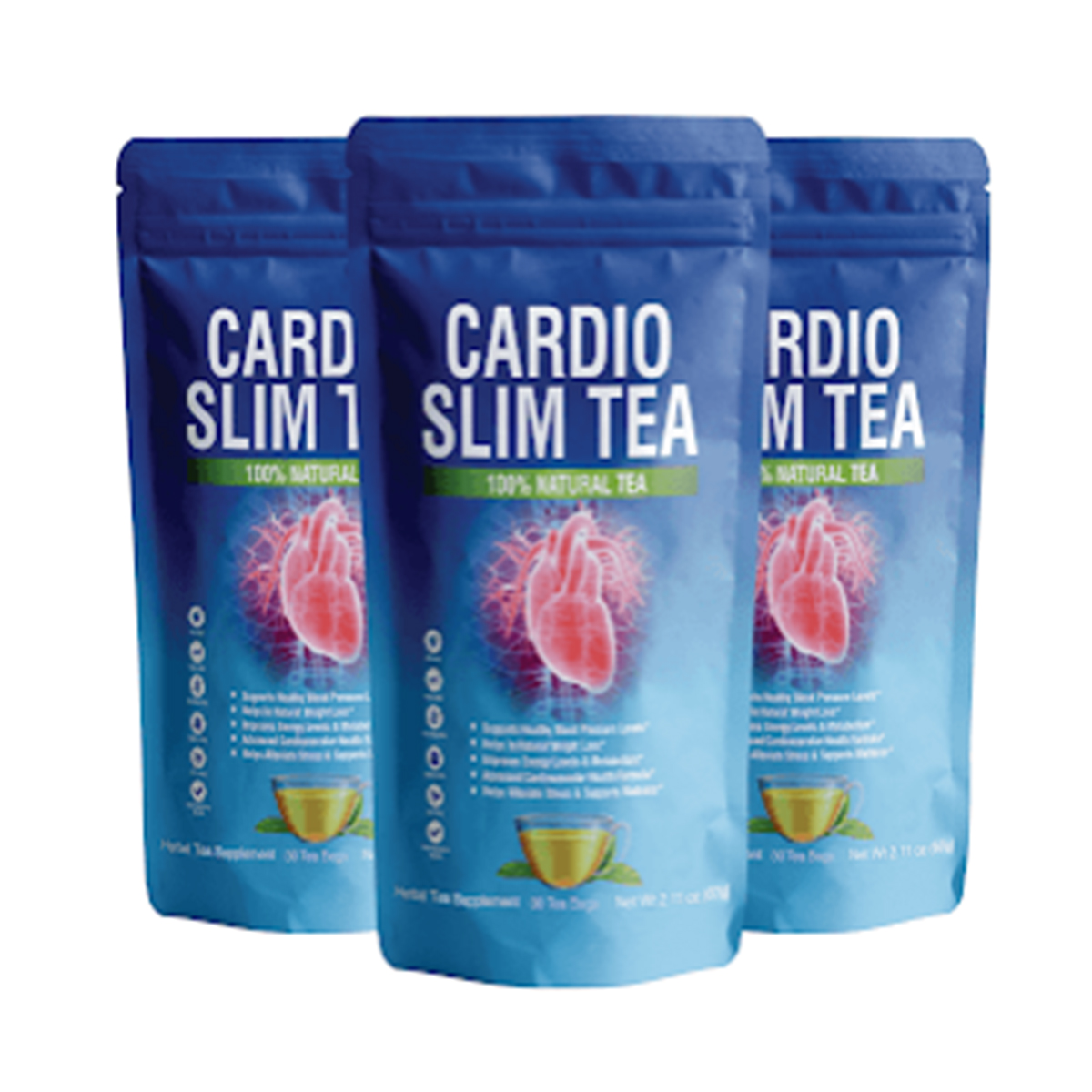
Based on the visible sales content, Cardio Slim Tea is marketed as a tea product rather than a capsule or powdered drink mix. The public page frames it around heart-health support, circulation, metabolism, belly-fat concerns, bloating, and general wellness. It also shows a named ingredient lineup, usage guidance, bonus content, refund language, policy links, and a retailer disclosure in the footer.
That matters because many review-style pages in this space blur together promotional claims, ingredient commentary, and hard facts. Here, the clearer public facts are the format of the product, the ingredients listed on the page, the general preparation instructions, the existence of a 60-day refund statement, and the presence of terms, privacy, and disclaimer links. The visible footer also identifies ClickBank as the retailer, which is one of the more concrete public signals on the page.
Product format
Herbal tea positioned for daily use.
Public focus
Cardiovascular wellness, circulation, metabolism, and weight-management language.
Visible usage note
One tea bag steeped for 7–9 minutes, with multiple cups per day suggested in the FAQ-style sales content.
Policy signal
Public page presents a 60-day money-back guarantee and footer policy links.
Ingredients and formula notes
The public ingredient list is one of the stronger parts of the visible product presentation. The sales material names beetroot powder, decaffeinated green tea, hibiscus flower, ginger root, oolong tea, chamomile, dandelion leaf, hawthorn berry, lemongrass, and grapeseed extract. For a reader searching “Cardio Slim Tea ingredients” or “Cardio Slim Tea formula,” that is useful because it gives a concrete starting point rather than vague “proprietary blend” language.
Even so, a review should stop short of treating an ingredient list as proof of product-level results. Public materials can show which ingredients are being emphasized, but they do not automatically answer how much of each ingredient is present, how standardized those ingredients are, or how the complete blend performs as a finished product. That distinction is important here because the marketing copy is ambitious, while the visible formulation detail appears lighter than the claims built around it.
In other words, the ingredient list is specific enough to make the formula discussion more concrete, but not detailed enough to remove every practical question. Readers who care about amounts, sourcing, or how strongly the full blend is documented should treat those as follow-up questions rather than assumptions.
Why readers search for this review
Search intent around Cardio Slim Tea is not limited to a simple “what is it?” query. It overlaps with “reviews,” “legit,” “complaints,” “ingredients,” “side effects,” and “what to know.” That pattern usually signals a reader who has already seen strong sales copy somewhere and wants a calmer summary before going further.
For this product, that makes sense. The public page uses aggressive wellness language, talks about visible results, and presents multiple benefit layers at once. A better review response is not to counter that with equal hype, but to break the page into practical questions: what is actually shown, what is being inferred through marketing language, and what information still remains thinner than a cautious buyer may want.
What seems clear
Public presentation is easy to identify
The product is clearly framed as a tea blend aimed at a combined heart-health and weight-management angle, not as a general vitamin or unrelated supplement.
Public materials name ingredients
The ingredient lineup is visible enough to support review-style searches around formula and what the product appears to contain.
There are visible policy and retailer signals
Refund language, policy pages, and retailer disclosure are easier to verify than many of the stronger marketing claims, which gives readers at least some concrete support information to inspect.
What still needs checking
Formula depth is still limited
Public copy names ingredients, but does not clearly resolve the deeper questions many review readers have about amounts, standardization, or how the blend was calibrated.
Claims are broader than the hard detail
The page uses strong outcome language around circulation, fat loss, bloating, and blood-pressure-related themes, while the most concrete public detail remains the ingredient list and sales-page FAQ.
Searches about side effects or complaints need caution
The visible product page includes general cautionary language for pregnancy, nursing, medication use, and health conditions, but it does not function as a detailed independent safety review or complaint database.
A practical note on “legit,” “complaints,” and “side effects” queries
These searches are common because readers want reassurance before they click further. The clearest public legitimacy signals here are structural rather than emotional: there is a visible product page, an ingredient list, preparation guidance, a stated refund window, policy links, and retailer disclosure. Those are more useful than dramatic “scam or legit” headlines.
At the same time, public-facing sales content is still marketing content. It is not the same as independent testing, a neutral medical review, or a reliable complaint archive. If your main concern is side effects, interactions, or how strong the finished-formula evidence really is, the public materials give only partial answers. They show how the product is being sold; they do not remove the need for prudent verification.
Before moving to the full guide
If you only need the quick review answer, the main takeaway is this: Cardio Slim Tea has enough visible product information to support a real editorial summary, but not enough to justify treating all of the public claims as settled conclusions. The ingredient list, retailer disclosure, usage directions, refund language, and policy pages are the clearest public anchors. The softer area is everything that depends on stronger proof than the visible sales copy provides.
That is why the next step is not a blind jump to checkout. It is more useful to move to the fuller internal guide, compare the public details in one place, and then decide whether the official page gives you enough confidence on the points that matter most to you.
Continue with the fuller product path
Use the internal guide if you want the separate page that is closer to the product-route and purchase-path context.
This review stays informational. The internal guide remains the better bridge if you want the more purchase-oriented page context.
Cardio Slim Tea review FAQ
What is Cardio Slim Tea presented as?
Public materials present it as a herbal tea blend aimed at cardiovascular wellness, circulation, metabolism, and weight-management support rather than as a general-purpose supplement.
Which Cardio Slim Tea ingredients are visibly listed?
The public-facing page names ingredients including beetroot powder, decaffeinated green tea, hibiscus flower, ginger root, oolong tea, chamomile, dandelion leaf, hawthorn berry, lemongrass, and grapeseed extract.
Does this review confirm that Cardio Slim Tea works?
No. This page reviews the visible public information and separates clear page-level details from stronger outcome claims. It is designed to help readers assess the sales material more carefully, not to certify results.
What is the clearest public support information shown?
The clearest visible support signals are the named ingredient list, preparation directions, refund language, footer policy links, and retailer disclosure on the product page.
What should readers still verify for themselves?
Readers may still want to verify how much detail is available on formula amounts, how the stronger claims are supported, and what the current checkout and policy details look like on the pages they actually use before ordering.
These links stay in the same review route structure and point only to other review pages in the same category.
← Back to Weight Loss