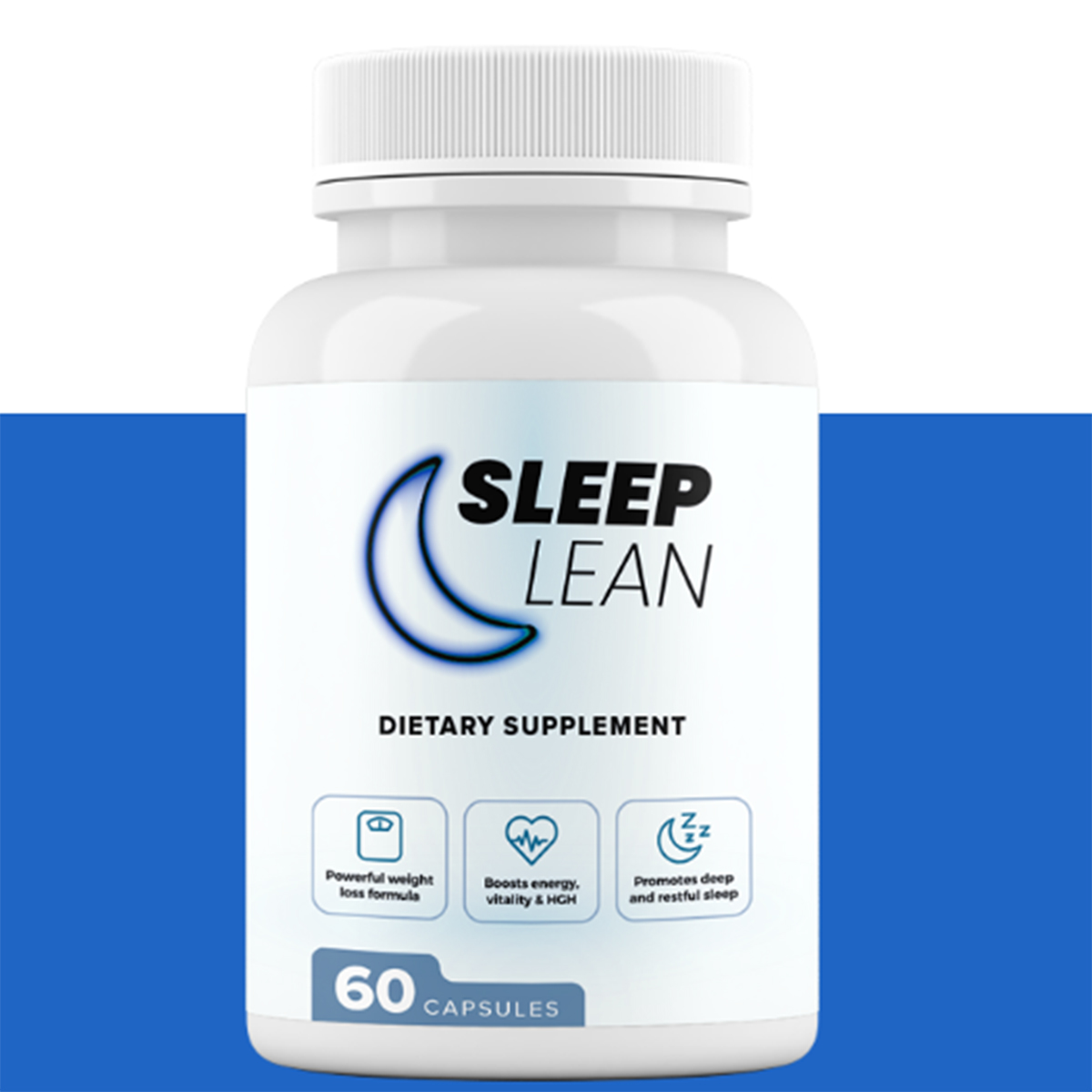
What Sleep Lean appears to be
Sleep Lean is generally presented as a dietary supplement for adults who want a non-stimulant nighttime product rather than a daytime fat burner. Public-facing descriptions repeatedly frame it around three linked ideas: deeper sleep, fewer late-night cravings, and overnight metabolic support. That positioning is fairly clear and easy to summarize, which is one reason the product shows up in search for both weight-loss and sleep-related queries.
What is less clear is how much of the broader performance language comes from direct product information and how much comes from the surrounding review-and-affiliate ecosystem. Search results for Sleep Lean are full of pages that move quickly from product description to product-level conclusions, often without much separation between a public claim and a verified fact. For review intent, that distinction matters more than catchy promise lines.
That does not make the product impossible to assess. It just means the first useful step is to identify the parts of the public story that stay relatively stable. Sleep Lean is consistently marketed as a nighttime formula, consistently tied to sleep quality, and consistently linked to weight-management language rather than extreme stimulant language. Those three points form the clearest public profile.
Category fit
Weight loss / nighttime support positioning
Public concept
Sleep quality and routine support are used as the main bridge to weight-management claims
Typical format
Public-facing pages commonly describe a 60-capsule bottle
Usage pattern
Two capsules before bed is the most common public-facing instruction
What can be verified more directly
One of the more useful things in the public Sleep Lean material is that some basic details repeat with reasonable consistency. Public-facing pages usually describe an eight-ingredient formula, a 60-capsule bottle, and a bedtime-use routine. Even when the surrounding copy becomes more promotional, those structural details remain easier to compare across pages than the stronger promise language.
The manufacturing story is also presented in a familiar way. Sleep Lean pages often describe the product as natural or plant-based, stimulant-free, and made in the USA in an FDA-registered or GMP-style facility. Those are visible claims, and they help explain how the product is being positioned. They should still be read as seller-presented information unless a buyer confirms the label, packaging, or checkout documentation attached to the order they are actually placing.
The most reliable use of review intent here is not to chase a dramatic verdict. It is to separate the public details that stay stable from the louder claims that are repeated across cloned pages, press-style writeups, and aggressive “honest review” content.
Why people search Sleep Lean reviews instead of stopping at the headline claims
Search behavior around Sleep Lean points to a practical question rather than a dramatic one: people want to know whether the product story is coherent enough to take seriously. They are not only asking what the formula claims to do. They are also asking whether the visible details line up, whether the ingredient story is clear, whether policy pages are easy to trust, and whether there is enough real information to move past the generic affiliate noise.
That is where many top-ranking pages become less useful. Some lean hard on ratings, invented customer quotes, or declarations that the product is obviously legit or obviously a scam. Others copy the same promotional logic while dressing it up as editorial analysis. A better review page does not need either extreme. It needs a more disciplined reading of what is visible, what is repeated, and what still deserves checking.
Public info that matters more than the hype
For a product with a noisy review footprint, policy and support details matter more than dramatic benefit copy. Public-facing Sleep Lean pages do show contact and support language, but some of it looks generic enough that careful buyers may want to confirm it on the exact checkout path they use instead of relying on a random review page or cloned domain. When a supplement is surrounded by many lookalike pages, clarity around support becomes part of the review picture.
The same logic applies to the refund discussion. Public-facing Sleep Lean material does not always present the guarantee window with perfect consistency. Some pages emphasize a 90-day guarantee, while other refund-style pages describe a range closer to 30 to 60 days. That inconsistency does not automatically signal a problem, but it is a practical reason to verify the return window and instructions before placing an order.
In other words, the useful review question is not just “What does Sleep Lean say it does?” It is also “How cleanly are the supporting details presented when the marketing language is stripped away?”
What seems clear and what still needs checking
What seems clear
- Sleep Lean is consistently marketed as a nighttime, non-stimulant supplement.
- Public-facing pages repeatedly connect the product to sleep quality, cravings, and weight-management routines.
- The formula is commonly presented as an eight-ingredient blend featuring valerian root, hops, 5-HTP, berberine, spirulina blue, black cohosh, lutein, and inulin.
- Public-facing usage guidance commonly points to a 60-capsule bottle and a bedtime routine.
What still deserves checking
- How far the stronger product claims go beyond a basic public-facing product description.
- The exact refund window and return instructions attached to the checkout path you actually use.
- How reliable the visible support information is once you move from review pages to purchase pages.
- Whether any side-effect or complaint discussion you find online is genuinely specific, or just recycled reassurance or recycled alarm language.
Sleep Lean side effects, complaints, and legit questions
For readers arriving through searches like Sleep Lean side effects, complaints, or legit, the public web is not especially clean. Many pages use reassurance-heavy wording and move quickly to the conclusion they want the reader to reach. Others use dramatic headlines that do not add much usable detail. Neither pattern is particularly helpful.
A more balanced reading is that publicly visible side-effect discussion is usually brief and often wrapped in promotional language, while complaint discussions tend to lean on vague anecdotes or broad satisfaction claims rather than clean sourcing. That does not answer every concern, but it does point to a sensible next step: read the ingredient panel carefully, keep expectations realistic, and verify support and refund details before relying on a headline verdict from a noisy review page.
If your main question is whether Sleep Lean deserves a closer look, the strongest answer from public-facing material is modest rather than dramatic. The product has a clear enough public concept and a repeatedly presented formula, but the surrounding search environment adds enough noise that careful verification is still part of the process.
When it makes sense to move to the full guide
This review is meant to clarify the public story, not replace the next step entirely. Once you understand how Sleep Lean is positioned, what ingredients are usually listed, and where the policy picture becomes less tidy, the full guide becomes more useful. That is the better place to continue if you want the broader buying-path view after filtering out the review noise first.
Sleep Lean review FAQ
What is Sleep Lean mainly presented as?
Sleep Lean is mainly presented as a nighttime supplement that links sleep quality, late-night cravings, and weight-management routines rather than as a classic stimulant-style fat burner.
Which Sleep Lean ingredients are most commonly listed publicly?
Public-facing pages most often mention valerian root, hops, 5-HTP, berberine, spirulina blue, black cohosh, lutein, and inulin. That repeated list is one of the clearest public details available.
Does this review treat Sleep Lean as fully proven or fully disproven?
No. The more useful approach is to separate what is clearly presented from what is mostly marketing language, then verify the policy and seller-facing details before taking stronger claims at face value.
Why do Sleep Lean refund questions keep coming up in review searches?
Because public-facing pages do not always present the guarantee window in exactly the same way. That makes refund clarity part of the review process, not just a checkout detail.
← Back to Weight Loss