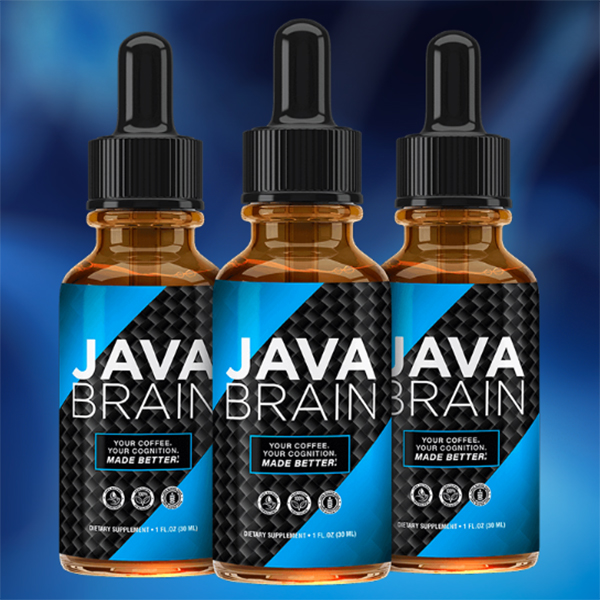
Why readers look for a Java Brain review
Search intent around Java Brain is not only about ingredients. It also includes legitimacy questions, formula curiosity, side-effect searches, complaint-related queries, and a basic desire to know whether the product page looks transparent enough to trust. Many pages ranking for this kind of term tend to blur those questions together, often using the same formula: dramatic before-and-after language, borrowed scientific tone, heavy promotion, and long verdict-style conclusions.
This review takes a narrower and more useful route. It asks: what does the public material clearly communicate, what can be checked directly, and what remains softer than it first appears? For Java Brain, the answer starts with the format and positioning. Public descriptions repeatedly present it as a coffee companion rather than a conventional capsule formula. The product is marketed for people who want mental clarity, focus, and a smoother routine built around an existing habit. That framing is easy to understand and easy to remember, which is one reason the product attracts review searches in the first place.
At the same time, readers looking for Java Brain reviews are usually not looking for a pure sales recap. They want help distinguishing a polished marketing story from a more grounded reading of the available details. That is where this page is meant to help.
What the public-facing materials say
Across public pages, Java Brain is described as a tasteless formula meant to be added to coffee. The core pitch is that it works alongside the coffee routine people already have, rather than asking them to start a separate supplement habit. The recurring themes are improved focus, better clarity, support for memory, and a calmer type of mental energy than standard caffeine-heavy positioning usually suggests.
One useful editorial note is that the public language is not always perfectly uniform. Some pages describe Java Brain as a powder, while other public descriptions refer to drops or a serum-style format. That does not automatically make the product unreliable, but it is an important point to notice because careful buyers usually want the live label, serving method, and bottle details to match the headline promise. When the format wording shifts across public-facing pages, the most practical move is to check the current official product page directly before assuming the details are settled.
The other repeated message is that Java Brain targets “brain fog” or reduced mental sharpness by working with coffee and a plant-heavy ingredient blend. As a marketing narrative, that is easy to follow. As an evidence standard, though, it is still mainly a presentation layer. This is one of the clearest places where review intent and buying intent start to separate.
Java Brain ingredients and formula notes
The public ingredient list associated with Java Brain is fairly consistent. The names most often shown are quercetin, ginkgo biloba, chlorogenic acid, green tea extract from Camellia sinensis, L-theanine, and a neuro-vitamin complex. That mix tells you a lot about how the product wants to be understood. It is not marketed as a single-ingredient specialist formula. It is presented as a multi-part blend that combines familiar coffee-adjacent or nootropic-adjacent ingredients into a broader cognitive-support story.
For review purposes, the main value of this ingredient list is context rather than proof. It helps explain the public claims, especially the recurring language around focus, smoother alertness, and mental clarity. It also helps explain why Java Brain gets searched alongside phrases like ingredients, formula, legit, and side effects. Readers are trying to work out whether the formula looks coherent, not just whether it sounds impressive.
What is still worth checking more closely is the exact label presentation, serving size, and how much specificity is provided on the live product page. Public pages do a good job of repeating the ingredient names. They are less strong when it comes to turning that ingredient list into a fully transparent, easy-to-audit product picture. That does not invalidate the product, but it does mean the formula story lands better as marketing than as a fully settled verification case.
Frequently highlighted ingredients
Quercetin, ginkgo biloba, chlorogenic acid, green tea extract, L-theanine, and a neuro-vitamin complex.
Main public formula angle
A coffee-compatible cognitive support blend positioned around clarity, focus, and smoother daily mental performance.
What matters most here
The list is visible, but buyers still benefit from checking the live label and serving details before relying on summary pages.
What seems clear
- Java Brain is publicly positioned as a brain-and-coffee product rather than a standard capsule-first supplement.
- The marketing story is consistent around focus, clarity, memory-support language, and a simple daily ritual.
- The ingredient names shown publicly repeat often enough to form a recognizable formula profile.
- Public policy pages and guarantee language do appear, which gives readers something concrete to review beyond the headline sales copy.
What still needs checking
- The exact product format is not described with the same wording everywhere, so the live bottle and checkout presentation matter.
- The public materials are stronger on ingredient storytelling than on product-level substantiation.
- Searches around complaints or side effects reflect buyer caution, but the public-facing material itself remains limited in depth on those topics.
- Anyone comparing Java Brain with other nootropic-style products should review the live label, guarantee wording, and checkout details directly instead of relying on copied summaries.
Public policy and support notes
For cautious buyers, one of the better signs is that Java Brain is not presented only through a single splash page. Public-facing materials also point to terms, privacy, disclaimer, and guarantee language. The guarantee wording commonly shown in public materials is a 60-day money-back window, and some pages also reference multi-bottle options and free shipping on larger packages. That is useful context, even though this review is not meant to become a pricing page.
Support visibility is also present, although it is not especially detailed. Public terms and privacy pages point buyers toward a contact method on the site, and some versions of the public policy language direct users to the number or contact details shown on the order page. In practical terms, that means Java Brain does present a basic support and policy layer. The more important question is whether a reader takes the time to verify that layer on the live page before moving forward.
That is especially relevant for users searching Java Brain legit, Java Brain complaints, or Java Brain side effects. The public material tends to emphasize reassurance and refund language more than detailed friction points. A careful reading should treat that as a reason to inspect the current label and policy pages directly, not as a reason to jump to a hard verdict either way.
Practical take before moving further
If the main question is whether Java Brain has a coherent public story, the answer is yes. The product is easy to place: coffee-based routine, cognitive-support language, recognizable ingredients, and a guarantee-focused checkout path. If the main question is whether the public material fully resolves doubts on its own, the answer is no. The biggest gap is not that the product lacks a visible narrative; it is that the visible narrative is more polished than it is deeply explanatory.
That is why the best next step is not to treat this review as a final verdict. It is to use it as a filter. If you want a fuller look at checkout flow, policy context, bundle structure, and how the product is positioned as a purchase decision, the stronger bridge is the full guide linked below. That lets the review stay editorial while the guide handles the more complete buying-side picture.
Java Brain review FAQ
What is Java Brain supposed to be?
Public materials present Java Brain as a coffee add-in built around focus, clarity, and brain-support positioning rather than as a typical capsule supplement.
What ingredients are usually listed for Java Brain?
The public-facing ingredient list commonly mentions quercetin, ginkgo biloba, chlorogenic acid, green tea extract, L-theanine, and a neuro-vitamin complex.
Does this review prove Java Brain works?
No. This review is meant to organize what is publicly visible, what appears consistent, and what still deserves closer checking before relying on the broader claims.
Why do people search Java Brain complaints or side effects?
Because those are normal caution searches for any supplement-like product. The public-facing materials focus more on reassurance and refund language than on deep independent discussion, so readers usually want to verify more before deciding.
If you are comparing products in the same category, these review pages follow the same route structure.
← Back to Brain & Memory